
Mineral
Iron
Iron from plants and iron from meat are chemically different, and your gut treats them differently. Understanding which is which is the difference between eating a lot of iron and absorbing some.
What it does
Most of the iron in your body is doing one job: sitting at the centre of haemoglobin, holding an oxygen molecule so a red blood cell can carry it from your lungs to a muscle. Run short and less oxygen arrives, which is why the first thing people notice is being out of breath on stairs they used to manage.
A smaller share sits in myoglobin, which stores oxygen inside muscle itself, and in enzymes that run the energy machinery of every cell. Iron is also needed for the enzymes that build myelin and several neurotransmitters — which is the reason iron status in the first two years of life is taken so seriously.
The body has no way to excrete iron deliberately. It regulates by absorbing more or less, which cuts both ways: it is why absorption rises when you are short, and why taking supplements nobody prescribed is a genuinely bad idea.
How much you need
| Who | Per day | Note |
|---|---|---|
| Infants, 0–6 months | 0.27 mg | Adequate Intake; stores from birth |
| Infants, 7–12 months | 11 mg | The steepest jump in the whole table |
| Children, 1–3 years | 7 mg | — |
| Children, 4–8 years | 10 mg | — |
| Men, 19–50 | 8 mg | — |
| Women, 19–50 | 18 mg | Menstrual losses |
| Women, 51 and over | 8 mg | — |
| Pregnancy | 27 mg | — |
| Vegetarians and vegans | 1.8× | Multiply the figure for your age and sex — absorption from plants is lower |
The jump at seven months is the one worth knowing about. A baby is born with an iron store that runs out somewhere around six months, at exactly the point milk alone stops covering the need — which is why iron-rich first foods are a priority rather than a nicety.
From our own data
The foods highest in iron
Ranked by total iron per 100 g. Read it with the next section in mind: the animal foods on this list give up their iron far more readily than the plant ones, so the order here is not the order of what actually reaches your blood.
- 1
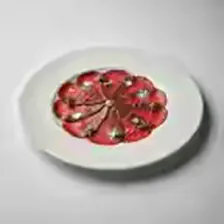 Beef spleen, raw247% · DV
 - 2
 Goose liver, raw170% · DV
 - 3
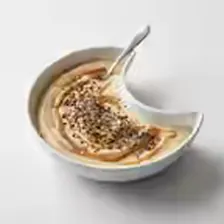 Sesame paste107% · DV
 - 4
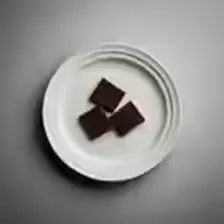 Unsweetened baking chocolate97% · DV
 - 5
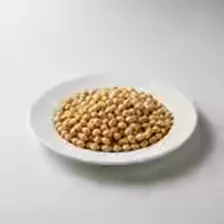 Soybeans, dry87% · DV
 - 6
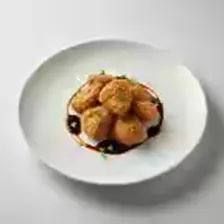 Lamb kidney, fried82% · DV
 - 7
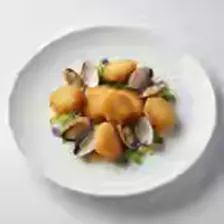 Clams, breaded and fried77% · DV
 - 8
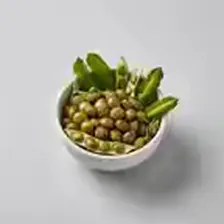 Winged beans, dry75% · DV
 - 9
 Garden cress seed72% · DV
 - 10
 Morels, raw68% · DV
 - 11
 Liver sausage62% · DV
 - 12
 Chicken giblets, fried57% · DV
Per 100 g, from our copy of USDA FoodData Central, against a Daily Value of 18mg. Ranked by amount, not by how much of it your body actually takes up — read the next section before you act on the order.
The table above is per 100 g. The app weighs the portion you actually ate.
What helps, and what gets in the way
Helps
- Vitamin C in the same meal — it can multiply non-heme absorption several times over
- A small amount of meat, poultry or fish alongside plant sources, which lifts both
- Soaking, sprouting or fermenting beans and grains, which breaks down phytate
- Cooking acidic food in a cast-iron pan, which genuinely transfers some
Gets in the way
- Tea and coffee with the meal — the tannins can cut absorption by more than half
- Calcium taken at the same time, whether from dairy or a supplement
- Phytates in unsoaked wholegrains, legumes and nuts
- Long-term acid-suppressing medication, since stomach acid is part of how iron is freed
This is the whole point of the article. Heme iron, from meat, poultry and fish, is absorbed at roughly 15–35% and is barely affected by what else is on the plate. Non-heme iron, from plants, eggs and fortified foods, is absorbed at roughly 2–20% — and that range is set almost entirely by what it is eaten with. Lentils and spinach are not poor sources; they are sources that need a squeeze of lemon and no tea.
Who tends to fall short
Groups where intake or absorption is commonly lower than the reference. It is a list of populations, not a list of symptoms — it cannot tell you anything about yourself.
- Infants from about six months, as the store they were born with runs out
- Menstruating women, and anyone with heavy periods in particular
- People who are pregnant, where requirement rises by half again
- Vegetarians and vegans, who need roughly 1.8 times the figure in the table
- Endurance athletes, through foot-strike haemolysis and losses in sweat
Cook it
Red lentil and sweet pepper purée
From 7 months — an iron source with its own vitamin C built in
Ingredients
- 3 tbsp red lentils, rinsed until the water runs clear
- 1 small red pepper, deseeded and chopped
- 1 small carrot, peeled and chopped
- 150 ml unsalted water or stock
- 1 tsp olive oil
- A squeeze of lemon, at the end
Method
- 1Rinse the lentils properlyUnder cold water in a sieve until it runs clear rather than cloudy. This washes off surface starch and some of the phytate that would otherwise bind the iron.
- 2SimmerLentils, carrot and water in a small pan. Bring to the boil, then down to a low simmer for 15 minutes with the lid ajar.
- 3Add the pepper lateIn for the last 5 minutes only. Vitamin C degrades with heat and time, and the pepper is here for the vitamin C as much as for the flavour.
- 4Blend and finishBlend smooth with the olive oil, then stir in the lemon off the heat. Loosen with a little cooled cooking water if it is thicker than your baby is used to.
Serve this away from a milk feed rather than with one — the calcium in milk competes with the iron for absorption. An hour either side is enough. As always, check with your health visitor or paediatrician before introducing a new food.
Sources
- NIH Office of Dietary Supplements — Iron
- Dietary Reference Intakes for Vitamin A, Vitamin K, Iron, Zinc and others
- USDA FoodData Central
This page is education, not medical advice. It does not diagnose anything and it is not a substitute for a clinician who knows your history. If you think you are short of iron, the answer is a blood test and a conversation, not a supplement bought on the strength of an article.
Every food above, and 12,601 more, with the full panel — in the app.