
Mineral
Phosphorus
It is in every cell, in every energy transaction and in most processed food. Deficiency from diet alone is close to unheard of in healthy people — which makes the interesting question the opposite one.
What it does
Phosphorus is half of the mineral that makes bone rigid — hydroxyapatite is calcium and phosphate together. About 85% of the body’s phosphorus is there.
The rest is doing chemistry. ATP, the molecule every cell spends to do anything at all, is adenosine with three phosphates attached; releasing one is what "spending energy" literally means. DNA and RNA have a phosphate backbone. Cell membranes are built from phospholipids.
Because it is in so much, and because the kidney regulates it tightly, blood phosphate stays in range across an enormous span of intakes in anyone with working kidneys.
How much you need
| Who | Per day | Note |
|---|---|---|
| Infants, 0–6 months | 100 mg | Adequate Intake |
| Infants, 7–12 months | 275 mg | Adequate Intake |
| Children, 1–3 years | 460 mg | — |
| Children, 4–8 years | 500 mg | — |
| Ages 9–18 | 1,250 mg | Peak bone building |
| Adults, 19 and over | 700 mg | — |
Most adults take in well above the recommendation without trying. The figure is here for completeness rather than as something to aim at.
From our own data
The foods highest in phosphorus
Protein-rich food is phosphorus-rich food, almost without exception: dairy, meat, fish, eggs, nuts, seeds and beans. What the ranking does not show is phosphate additives, which are absorbed far more completely than the phosphorus naturally present in food.
- 1
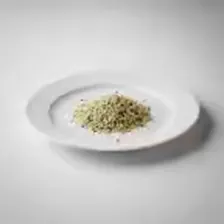 Hemp seeds, hulled132% · DV
 - 2
 Pumpkin seeds94% · DV
 - 3
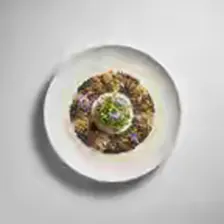 Mixed seeds93% · DV
 - 4
 Sunflower seeds, unsalted92% · DV
 - 5
 Wheat germ92% · DV
 - 6
 Melon seeds (egusi)75% · DV
 - 7
 Poppy seeds70% · DV
 - 8
 Chia seeds69% · DV
 - 9
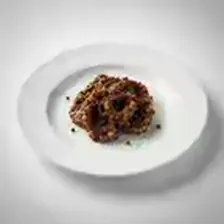 Black mustard seed67% · DV
 - 10
 Processed cheese, reduced fat66% · DV
 - 11
 Brazil nuts58% · DV
 - 12
 Tahini58% · DV
Per 100 g, from our copy of USDA FoodData Central, against a Daily Value of 1,250mg. Ranked by amount, not by how much of it your body actually takes up — read the next section before you act on the order.
The table above is per 100 g. The app weighs the portion you actually ate.
What helps, and what gets in the way
Helps
- Nothing needs to. Absorption from a mixed diet runs at 55–70% without assistance
- Vitamin D, modestly, as it does for calcium
Gets in the way
- Phytate, which is why phosphorus in wholegrains and seeds is less available than the number suggests
- Phosphate binders, prescribed deliberately in kidney disease
- Very high antacid use over long periods
The distinction that matters is natural versus added. Phosphorus bound into plant tissue as phytate is absorbed at perhaps 40%; phosphate additives in processed food are absorbed at close to 100%. Two foods with the same figure on a label can therefore deliver very different amounts — and additives are not required to be listed as phosphorus.
Who tends to fall short
Groups where intake or absorption is commonly lower than the reference. It is a list of populations, not a list of symptoms — it cannot tell you anything about yourself.
- Genuinely rare from diet alone in healthy people
- People with alcohol use disorder, through poor intake and increased loss
- People recovering from severe malnutrition, where refeeding can drop blood phosphate sharply
- People on long-term high-dose antacids that bind it
- Very premature infants, whose requirements are exceptional
Cook it
Sardines on toast with tomato and oregano
One, five minutes
Ingredients
- 1 tin sardines in olive oil
- 2 thick slices of sourdough
- 1 ripe tomato, halved
- Dried oregano
- Lemon
- Black pepper
Method
- 1Toast the bread hardDarker than you would normally. It has to stand up to a wet tomato without going soft in the middle.
- 2Rub with tomatoCut side down, straight onto the hot toast, pressing until the skin is all you have left. This is a Catalan habit and it is better than any spread.
- 3Lay on the sardinesWhole, with a little of their oil. The soft bones are where most of the calcium is and they are entirely edible.
- 4FinishOregano crushed between your fingers, lemon, pepper. No salt — the fish has it.
Sardines are one of the few foods that are simultaneously high in phosphorus, calcium, vitamin D and omega-3 — an unusual combination that comes from eating the whole fish, bones included.
Sources
- NIH Office of Dietary Supplements — Phosphorus
- Dietary Reference Intakes for Calcium and Vitamin D
- USDA FoodData Central
This page is education, not medical advice. It does not diagnose anything and it is not a substitute for a clinician who knows your history. If you think you are short of phosphorus, the answer is a blood test and a conversation, not a supplement bought on the strength of an article.
Every food above, and 12,601 more, with the full panel — in the app.