Vitamin
Vitamin K
The K is for Koagulation, from the German paper that described it. Ninety years later the clotting role is still the reason newborns are given an injection of it on the day they are born.
What it does
Vitamin K is the cofactor for an enzyme that adds a carboxyl group to certain proteins, and that modification is what lets them bind calcium. Several clotting factors depend on it; without the modification they circulate but cannot work.
The same chemistry applies to osteocalcin in bone and to matrix Gla protein in blood vessel walls, where it appears to help keep calcium in bone and out of arteries. That part of the story is younger and less settled than the clotting part.
There are two dietary forms. K1, phylloquinone, comes from green leaves and is the bulk of intake. K2, menaquinone, comes from fermented food and animal products, and is also made by gut bacteria — though how much of that the body actually absorbs is still debated.
How much you need
| Who | Per day | Note |
|---|---|---|
| Infants, 0–6 months | 2.0 µg | Adequate Intake |
| Infants, 7–12 months | 2.5 µg | Adequate Intake |
| Children, 1–3 years | 30 µg | — |
| Children, 4–8 years | 55 µg | — |
| Children, 9–13 years | 60 µg | — |
| Ages 14–18 | 75 µg | — |
| Men, 19 and over | 120 µg | — |
| Women, 19 and over | 90 µg | — |
All Adequate Intakes; there is no RDA. The infant figures are tiny and are not the whole story: newborns are born with very little vitamin K and breast milk carries little, which is why an intramuscular dose at birth is standard practice in most countries and prevents a rare but catastrophic bleeding disorder.
From our own data
The foods highest in vitamin k
Dark green leaves, overwhelmingly. Kale, spinach, collards and broccoli carry more than anything else, and the difference between a green vegetable and everything else is larger here than for any other vitamin.
- 1
 Amaranth leaves, raw950% · DV
 - 2
 Chard, cooked722% · DV
 - 3
 Dandelion greens, cooked677% · DV
 - 4
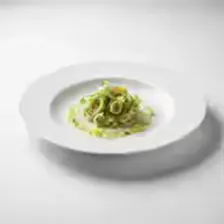 Native lemongrass642% · DV
 - 5
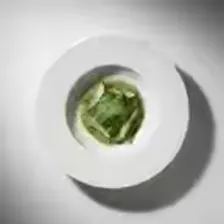 Lovage642% · DV
 - 6
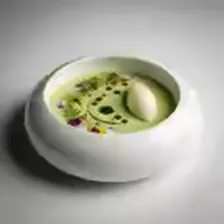 Hoja santa642% · DV
 - 7
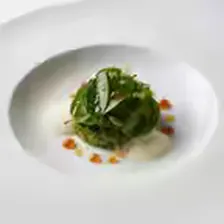 Tamarind leaves642% · DV
 - 8
 Liquorice root642% · DV
 - 9
 Mustard greens, boiled494% · DV
 - 10
 Spinach, cooked472% · DV
 - 11
 Cress, cooked472% · DV
 - 12
 Sorrel459% · DV
Per 100 g, from our copy of USDA FoodData Central, against a Daily Value of 120µg. Ranked by amount, not by how much of it your body actually takes up — read the next section before you act on the order.
The table above is per 100 g. The app weighs the portion you actually ate.
What helps, and what gets in the way
Helps
- Fat in the meal — it is fat-soluble and greens are not
- Fermented foods such as natto and some cheeses, for the K2 forms
- Simply eating green vegetables regularly, which covers it comfortably
Gets in the way
- Fat malabsorption
- Long courses of broad-spectrum antibiotics, which reduce gut bacterial synthesis
- Some cholesterol-lowering drugs that bind bile acids
If you take warfarin, the advice is consistency, not avoidance. Vitamin K is the exact thing warfarin blocks, so a week of large salads followed by a week of none makes the dose swing — which is dangerous in both directions. Eating a steady amount of greens is easier to dose around than eating none. Newer anticoagulants such as apixaban and rivaroxaban do not have this interaction. Any change here belongs with the clinician managing the prescription.
Who tends to fall short
Groups where intake or absorption is commonly lower than the reference. It is a list of populations, not a list of symptoms — it cannot tell you anything about yourself.
- Newborns, universally, until they are given the standard dose
- People with fat malabsorption or biliary obstruction
- People on long-term broad-spectrum antibiotics
- People with very low intake of green vegetables over long periods
Cook it
Charred broccoli with anchovy and garlic oil
Two as a side, fifteen minutes
Ingredients
- 400 g broccoli, cut into long spears
- 3 tbsp olive oil
- 4 anchovy fillets
- 2 cloves garlic, sliced
- A pinch of chilli flakes
- Lemon
Method
- 1Cut spears, not floretsThrough the stem lengthways so each piece has a flat face. Flat faces char; florets just steam and roll around.
- 2Blanch two minutesBoiling salted water, then drain and dry thoroughly. Wet broccoli will not colour no matter how hot the pan is.
- 3Melt the anchovies into the oilLow heat, with the garlic and chilli, until the anchovies dissolve completely — three or four minutes. They stop tasting of fish and start tasting of savoury.
- 4Char and dressBroccoli into a very hot dry pan, cut side down, three minutes untouched. Then the anchovy oil over, and lemon.
The oil is doing nutritional work as well as culinary: vitamin K is fat-soluble and broccoli eaten without any fat gives up much less of it.
Sources
- NIH Office of Dietary Supplements — Vitamin K
- Dietary Reference Intakes for Vitamin A, Vitamin K, Iron, Zinc and others
- USDA FoodData Central
This page is education, not medical advice. It does not diagnose anything and it is not a substitute for a clinician who knows your history. If you think you are short of vitamin k, the answer is a blood test and a conversation, not a supplement bought on the strength of an article.
Every food above, and 12,601 more, with the full panel — in the app.