
Vitamin
Vitamin C
The evidence that it prevents colds is weak and has been for fifty years. The evidence that without it your body cannot build connective tissue is absolute — that is what scurvy is.
What it does
Vitamin C is the cofactor for the enzymes that hydroxylate proline and lysine in collagen. Without that step the collagen triple helix does not hold, and connective tissue throughout the body loses integrity — bleeding gums, poor wound healing, joint pain. That is scurvy, and it is not a historical curiosity: it still appears in people with very restricted diets.
It is also the body’s main water-soluble antioxidant, and it regenerates vitamin E after vitamin E has neutralised a radical in a membrane. The two work as a pair across the boundary between watery and fatty compartments.
And it reduces dietary iron from the ferric to the ferrous form, which is the form the gut can absorb. This is the single most useful practical fact about it.
How much you need
| Who | Per day | Note |
|---|---|---|
| Infants, 0–6 months | 40 mg | Adequate Intake |
| Infants, 7–12 months | 50 mg | Adequate Intake |
| Children, 1–3 years | 15 mg | — |
| Children, 4–8 years | 25 mg | — |
| Children, 9–13 years | 45 mg | — |
| Men, 19 and over | 90 mg | — |
| Women, 19 and over | 75 mg | — |
| Smokers | +35 mg | Added to the figure for age and sex |
| Pregnancy | 85 mg | — |
| Breastfeeding | 120 mg | — |
Plasma saturates at around 200 mg a day; beyond that the kidney excretes the rest and the commonly sold 1,000 mg tablet mostly produces expensive urine. Very high doses can cause diarrhoea and, in susceptible people, kidney stones.
From our own data
The foods highest in vitamin c
Citrus has the reputation; peppers, blackcurrants and acerola have the numbers. A red bell pepper carries roughly three times the vitamin C of an orange for the same weight.
- 1
 Acerola cherry, raw1,864% · DV
 - 2
 Rosehip473% · DV
 - 3
 Cassava leaves344% · DV
 - 4
 Guava, raw254% · DV
 - 5
 Yellow peppers, raw204% · DV
 - 6
 Blackcurrants, raw201% · DV
 - 7
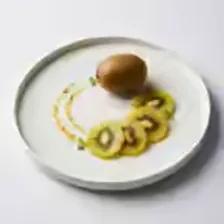 Golden kiwifruit, raw179% · DV
 - 8
 Orange juice concentrate, frozen161% · DV
 - 9
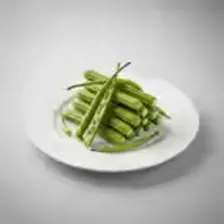 Moringa pods, raw157% · DV
 - 10
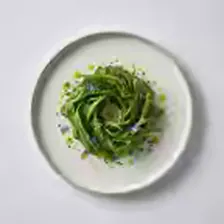 Komatsuna, raw144% · DV
 - 11
 Lemon zest, raw143% · DV
 - 12
 Davidson’s plum133% · DV
Per 100 g, from our copy of USDA FoodData Central, against a Daily Value of 90mg. Ranked by amount, not by how much of it your body actually takes up — read the next section before you act on the order.
The table above is per 100 g. The app weighs the portion you actually ate.
What helps, and what gets in the way
Helps
- Eating it raw where the food allows — it is the most heat-sensitive vitamin there is
- Steaming rather than boiling, and keeping the cooking water if you boil
- Buying and eating fresh produce sooner, since content falls during storage
Gets in the way
- Heat, light, air and time — all four degrade it
- Boiling and draining, which can lose more than half
- Smoking, which raises turnover enough to change the recommendation
Absorption is nearly complete at ordinary intakes and falls sharply above about 1 g, which is the body regulating. The interaction worth building meals around is iron: vitamin C in the same meal can multiply the absorption of non-heme iron several times over, which makes lemon on lentils a nutritional act rather than a culinary one.
Who tends to fall short
Groups where intake or absorption is commonly lower than the reference. It is a list of populations, not a list of symptoms — it cannot tell you anything about yourself.
- People eating very few fruits or vegetables — the classic modern scurvy risk
- Smokers, who need an extra 35 mg a day
- People with severe malabsorption or on dialysis
- Infants fed unmodified cow’s milk, which is very low in it
Cook it
Raw red pepper and tomato salad with parsley
Two, ten minutes, no heat at all
Ingredients
- 2 red bell peppers, deseeded and sliced thin
- 2 ripe tomatoes, wedged
- A large bunch of flat-leaf parsley, chopped
- Half a red onion, sliced paper-thin
- 2 tbsp olive oil
- Juice of one lemon
- Black pepper
Method
- 1Nothing gets cookedThat is the whole design. Vitamin C is destroyed by heat faster than any other vitamin, and a raw pepper carries several times the vitamin C of a roasted one.
- 2Soak the onionSliced thin, in cold water for ten minutes, then drained. This takes the harshness out without cooking it.
- 3Use the whole bunch of parsleyParsley is not a garnish here — weight for weight it carries more vitamin C than a lemon, and a large bunch is a real contribution rather than a decoration.
- 4Dress at the tableOil, lemon and pepper mixed in just before eating. Dressed early, the salt and acid draw water out and the peppers go limp.
Serve this alongside lentils, beans or a wholegrain and the vitamin C will multiply how much iron you absorb from them. That pairing is the most useful thing on this page.
Sources
- NIH Office of Dietary Supplements — Vitamin C
- Dietary Reference Intakes for Vitamin C, Vitamin E, Selenium and Carotenoids
- USDA FoodData Central
This page is education, not medical advice. It does not diagnose anything and it is not a substitute for a clinician who knows your history. If you think you are short of vitamin c, the answer is a blood test and a conversation, not a supplement bought on the strength of an article.
Every food above, and 12,601 more, with the full panel — in the app.