
Vitamin
Vitamin B6
It runs more than a hundred enzyme reactions, almost all of them involving amino acids. It is also the only water-soluble vitamin where long-term high supplement doses are known to cause nerve damage.
What it does
Its active form, pyridoxal phosphate, is the cofactor for the enzymes that move amino groups around. That means it is involved in building and breaking down essentially every amino acid — more than a hundred reactions in total.
Several of those reactions make neurotransmitters: serotonin, dopamine, GABA. It is also needed for the first step of haem synthesis, which is why deficiency can cause a microcytic anaemia that looks like iron deficiency.
And it works with folate and B12 to clear homocysteine.
How much you need
| Who | Per day | Note |
|---|---|---|
| Infants, 0–6 months | 0.1 mg | Adequate Intake |
| Infants, 7–12 months | 0.3 mg | Adequate Intake |
| Children, 1–3 years | 0.5 mg | — |
| Children, 4–8 years | 0.6 mg | — |
| Children, 9–13 years | 1.0 mg | — |
| Adults, 19–50 | 1.3 mg | — |
| Men, 51 and over | 1.7 mg | — |
| Women, 51 and over | 1.5 mg | — |
| Pregnancy | 1.9 mg | — |
The upper limit for adults is 100 mg a day. Supplements sold at 50–100 mg are common, and sustained intake at or above that has produced peripheral neuropathy — numbness and unsteadiness, sometimes only partly reversible. This is the clearest example of a water-soluble vitamin that is not harmless in excess.
From our own data
The foods highest in vitamin b6
Fish, poultry, organ meats, potatoes, chickpeas and bananas. It is widely distributed, which is why frank deficiency usually points at a medication or a malabsorption problem rather than at the diet.
- 1
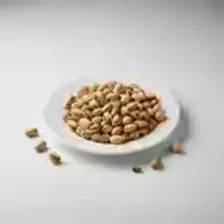 Pistachios, raw100% · DV
 - 2
 Wheat germ, raw76% · DV
 - 3
 Garlic, raw73% · DV
 - 4
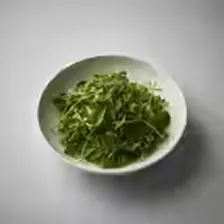 Moringa leaves, raw71% · DV
 - 5
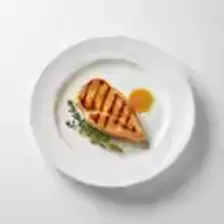 Chicken breast, skinless, grilled68% · DV
 - 6
 Açaí juice blend65% · DV
 - 7
 Beef liver, raw64% · DV
 - 8
 Turkey mince, fat free, cooked64% · DV
 - 9
 Tuna, cooked63% · DV
 - 10
 Soy flour, low-fat62% · DV
 - 11
 Sesame paste48% · DV
 - 12
 Hearts of palm, raw48% · DV
Per 100 g, from our copy of USDA FoodData Central, against a Daily Value of 2mg. Ranked by amount, not by how much of it your body actually takes up — read the next section before you act on the order.
The table above is per 100 g. The app weighs the portion you actually ate.
What helps, and what gets in the way
Helps
- Eating it from food rather than from high-dose supplements
- Adequate riboflavin, which is needed to activate it
- Minimally processed foods — refining removes a large share
Gets in the way
- Isoniazid, penicillamine and some other drugs, which bind it directly
- Prolonged cooking and food processing
- Alcohol use disorder
- Kidney disease and dialysis
If a supplement is prescribed alongside isoniazid, that is deliberate and appropriate — the drug depletes B6 and the supplement prevents neuropathy from the drug. The risk described above is unsupervised long-term high doses, not that.
Who tends to fall short
Groups where intake or absorption is commonly lower than the reference. It is a list of populations, not a list of symptoms — it cannot tell you anything about yourself.
- People on isoniazid, cycloserine or penicillamine
- People with kidney disease or on dialysis
- People with autoimmune conditions such as rheumatoid arthritis or coeliac disease
- People with alcohol use disorder
Cook it
Chickpea, potato and tuna salad
Two, twenty minutes
Ingredients
- 400 g new potatoes, halved
- 1 tin chickpeas, drained
- 1 tin tuna, drained
- 2 spring onions, sliced
- 2 tbsp olive oil
- 1 tbsp red wine vinegar
- 1 tsp Dijon mustard
- Parsley
Method
- 1Start the potatoes in cold waterCold, salted, then brought to a simmer. Dropping potatoes into boiling water cooks the outside before the middle and they break up.
- 2Do not overboilFifteen minutes, until a knife just goes in. B6 is water-soluble, and every extra minute is more of it in the pan rather than in the food.
- 3Dress hotVinegar, mustard and oil whisked and poured over the drained potatoes immediately, so they absorb rather than repel it.
- 4Fold in the restChickpeas, tuna, spring onion and parsley, gently, once the potatoes have cooled a little.
Potatoes, chickpeas and tuna are three of the better B6 sources and they happen to make a good lunch, which is not always how these things work out.
Sources
- NIH Office of Dietary Supplements — Vitamin B6
- Dietary Reference Intakes for Thiamin, Riboflavin, Niacin, Vitamin B6, Folate and Vitamin B12
- USDA FoodData Central
This page is education, not medical advice. It does not diagnose anything and it is not a substitute for a clinician who knows your history. If you think you are short of vitamin b6, the answer is a blood test and a conversation, not a supplement bought on the strength of an article.
Every food above, and 12,601 more, with the full panel — in the app.