
Vitamin
Riboflavin
That bright yellow after a multivitamin is riboflavin being excreted, and it is harmless. It is also a useful reminder of what the vitamin is: something the body takes what it needs from and discards the rest of, daily.
What it does
Riboflavin becomes two coenzymes, FAD and FMN, which sit at the centre of the reactions that move electrons around. The electron transport chain — the final stage of extracting energy from food — depends on them directly.
It is also needed to activate other vitamins. Vitamin B6 and folate both require riboflavin-dependent enzymes to reach their working forms, and the enzyme that converts tryptophan into niacin needs it too. A riboflavin shortage therefore produces a functional shortage of several other B vitamins at once.
And it regenerates glutathione, one of the body’s main antioxidants.
How much you need
| Who | Per day | Note |
|---|---|---|
| Infants, 0–6 months | 0.3 mg | Adequate Intake |
| Infants, 7–12 months | 0.4 mg | Adequate Intake |
| Children, 1–3 years | 0.5 mg | — |
| Children, 4–8 years | 0.6 mg | — |
| Children, 9–13 years | 0.9 mg | — |
| Men, 14 and over | 1.3 mg | — |
| Women, 19 and over | 1.1 mg | — |
| Pregnancy | 1.4 mg | — |
| Breastfeeding | 1.6 mg | — |
From our own data
The foods highest in riboflavin
Dairy, eggs, organ meats and green vegetables. Milk is the largest single contributor in most Western diets, which is why the packaging matters more than it sounds.
- 1
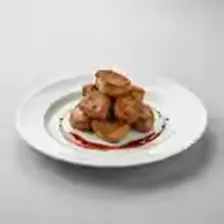 Lamb liver, fried405% · DV
 - 2
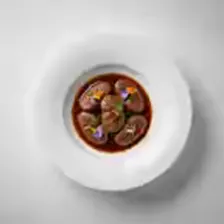 Beef kidney, simmered228% · DV
 - 3
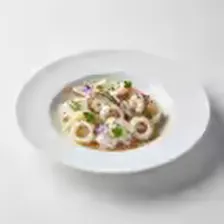 Cuttlefish, cooked133% · DV
 - 4
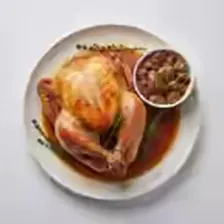 Turkey giblets, simmered119% · DV
 - 5
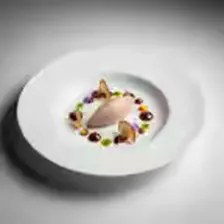 Liver sausage117% · DV
 - 6
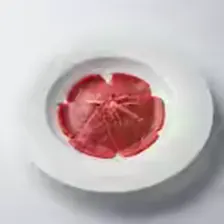 Wild goose breast, skinless, raw117% · DV
 - 7
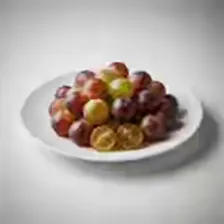 Muscadine grapes, raw115% · DV
 - 8
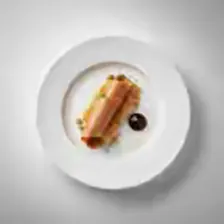 Brunost (whey cheese)106% · DV
 - 9
 Almonds92% · DV
 - 10
 Soy flour, full-fat89% · DV
 - 11
 Soybeans, dry67% · DV
 - 12
 Wheat germ63% · DV
Per 100 g, from our copy of USDA FoodData Central, against a Daily Value of 1mg. Ranked by amount, not by how much of it your body actually takes up — read the next section before you act on the order.
The table above is per 100 g. The app weighs the portion you actually ate.
What helps, and what gets in the way
Helps
- Opaque packaging — this is a real effect, not a technicality
- Dairy, eggs and green vegetables eaten regularly
- Fortified cereals and flour where mandated
Gets in the way
- Light. Milk left in a glass bottle in sunlight loses a large share within hours
- Boiling and discarding the water
- Some psychiatric and cancer medications, which interfere with its metabolism
Riboflavin is remarkably stable to heat and remarkably unstable to light — the opposite of vitamin C. The move from glass milk bottles on doorsteps to opaque cartons was, incidentally, a nutritional improvement.
Who tends to fall short
Groups where intake or absorption is commonly lower than the reference. It is a list of populations, not a list of symptoms — it cannot tell you anything about yourself.
- People who consume no dairy and few green vegetables
- Vegans without fortified foods
- People with alcohol use disorder
- Pregnant and breastfeeding women with limited diets
Cook it
Mushroom and spinach frittata
Two to three, twenty minutes
Ingredients
- 6 eggs
- 250 g mushrooms, sliced
- 150 g spinach
- 40 g hard cheese, grated
- 2 tbsp olive oil
- Black pepper
Method
- 1Cook the mushrooms dry firstHot pan, no oil, until they have released their water and it has evaporated. Oil first and they stew in it and never brown.
- 2Wilt and drain the spinachIn the same pan, a minute, then squeeze it out. Wet spinach makes a watery frittata that will not set properly.
- 3Low heat, most of the wayOil in, eggs beaten with the cheese and pepper, then the lowest heat for eight to ten minutes. High heat makes it rubbery at the bottom and raw on top.
- 4Finish under the grillTwo minutes, until the surface is just set and lightly coloured.
Eggs, mushrooms and cheese are three of the better riboflavin sources, and mushrooms contribute vitamin D as well if they have been exposed to UV.
Sources
- NIH Office of Dietary Supplements — Riboflavin
- Dietary Reference Intakes for Thiamin, Riboflavin, Niacin, Vitamin B6, Folate and Vitamin B12
- USDA FoodData Central
This page is education, not medical advice. It does not diagnose anything and it is not a substitute for a clinician who knows your history. If you think you are short of riboflavin, the answer is a blood test and a conversation, not a supplement bought on the strength of an article.
Every food above, and 12,601 more, with the full panel — in the app.