
Japanese Sushi Rice: Best Low-GI Balanced Bowl Combinations in Wise Eating
Understand how Japanese Sushi Rice affects blood sugar, glycemic load, and energy stability using Best Low-GI Balanced Bowl Combinations in Wise Eating in Wise Eating.
Powered by verified USDA FoodData Central micronutrient profiles, smart pantry expiration tracking, and personalized daily meal plans.
1. Glycemic Dynamics of Japanese Sushi Rice (Balanced Bowl Swaps)
Evaluating Japanese Sushi Rice solely by its isolated Glycemic Index (GI) number misses how real-world portion sizes, cooking methods, soluble fiber, and meal pairings alter postprandial glucose response. Applying Best Low-GI Balanced Bowl Combinations in Wise Eating transforms how your body absorbs and utilizes carbohydrates from Japanese Sushi Rice.
| Metabolic Factor | Isolated Japanese Sushi Rice | Optimized with Balanced Bowl Swaps |
|---|---|---|
| Digestion Rate | Standard enzymatic starch/sugar hydrolysis | Buffered gastric emptying & steadier glucose curve |
| Energy & Satiety | Shorter satiety window if eaten alone | 3–4+ hours of sustained cognitive & physical energy |
| Micronutrient Co-Factors | Natural whole-food mineral matrix | Paired with magnesium, chromium & B-vitamin co-factors |
2. Practical Application in Wise Eating
1. Sequence Fiber First
Start your meal with non-starchy greens or soluble fiber before eating Japanese Sushi Rice to slow intestinal glucose absorption.
2. Anchor with Protein & Fat
Combine Japanese Sushi Rice with complete protein and monounsaturated or omega-3 fats to flatten post-meal insulin spikes.
3. Track Net Carbs & Minerals
Log your complete meal in Wise Eating to verify fiber-to-carbohydrate ratios alongside magnesium and potassium intake.
Wise Eating on iPhone & iPad
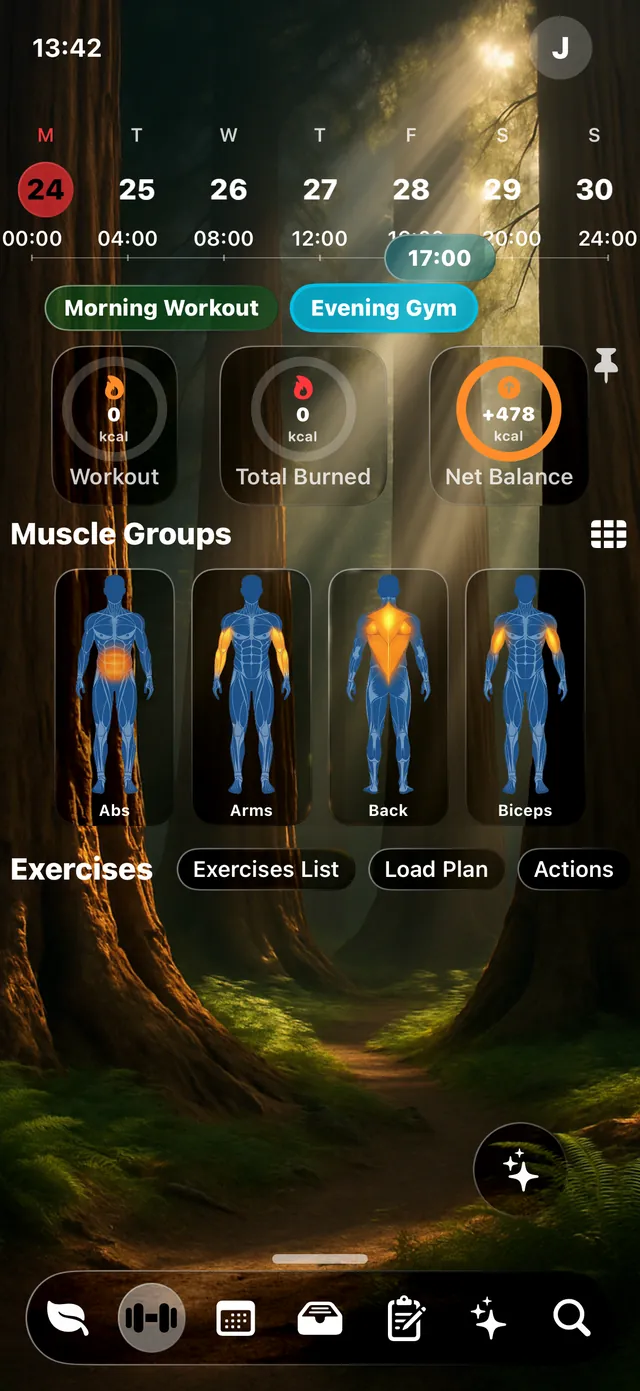
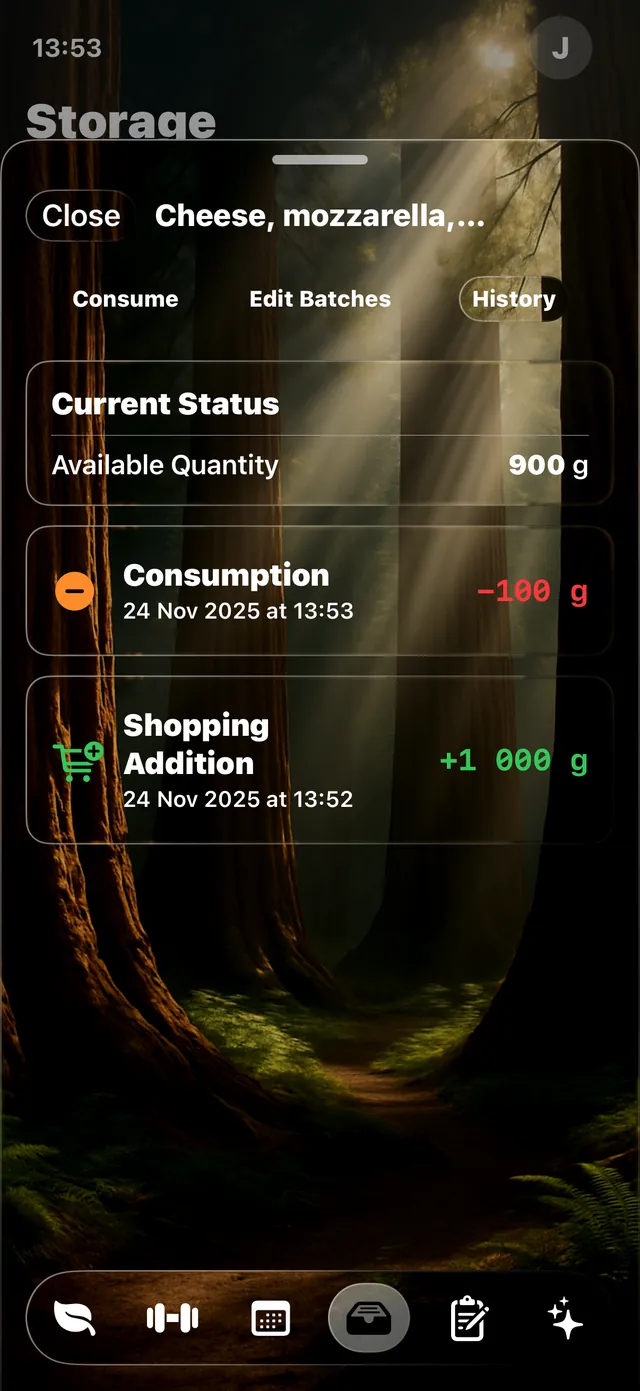
Frequently Asked Questions
What is the difference between Glycemic Index and Glycemic Load for Japanese Sushi Rice?
Glycemic Index measures how fast 50g of digestible carbohydrate raises blood glucose, whereas Glycemic Load multiplies GI by the actual net carbohydrate amount in a real serving.
How can I lower the glycemic impact of Japanese Sushi Rice?
Apply Best Low-GI Balanced Bowl Combinations in Wise Eating — such as pairing with protein, healthy fats, soluble fiber, or organic acids — and log the balanced meal in Wise Eating.
Download Wise Eating on the App Store (ID 6751406823) and hit both your macro and vitamin targets effortlessly.